Why Do People Cheat? Exploring Reasons for Infidelity by Husbands and Wives

When infidelity strikes a marriage, it’s a serious violation of trust. Legally, infidelity is considered a civil wrongdoing and can lead to demands for compensation or even divorce. Yet despite the risks, affairs are as old as marriage itself.
In this article, we’ll return to the basics: “Why do people cheat?” If you’re worried about a partner’s possible affair, review the reasons men and women might stray to see if any fit your spouse’s situation.
Why Husbands Cheat
Let’s start with common reasons husbands become unfaithful.
They’re Dissatisfied with the Marriage
A husband may feel discontent due to reduced communication, boredom, a long-term lack of excitement, or a sexless marriage. Under these conditions, another woman might seem more appealing, and he may drift into an affair. If daily life with his wife grows tense and unsatisfying, his attraction to someone who seems more attentive can increase.
No Sexual Intimacy During Wife’s Pregnancy/Postpartum
Sexual desire can lead some men astray. During a wife’s pregnancy and shortly after giving birth, intercourse often stops. The husband’s unchanged libido may drive him to seek satisfaction elsewhere, though from a wife’s perspective, this can seem incredibly selfish.
They Want to Experience Romance Outside Marriage
Some men are simply curious and eager to sample relationships beyond their spouse. They think, “I’ll be with only one person forever?” and long for novelty. If he was prone to cheating or two-timing even before marriage, this tendency may continue. Being alert to such patterns before tying the knot is wise.
An Attractive Person Enters His Life
Surveys often show “meeting someone very attractive” as a top reason men cheat. He might meet someone after marriage who truly captivates him, even though he chose his wife earlier. While it doesn’t justify infidelity, the allure of a new love interest can intensify his behavior.
Why Wives Cheat
Now, let’s consider why wives might engage in affairs.
Feeling Emptiness or Loneliness in the Marriage
After marriage, many wives juggle work, childcare, and housework, while husbands often experience less drastic lifestyle changes. This imbalance can create loneliness or dissatisfaction, prompting some wives to seek emotional fulfillment and connection through an affair.
Boredom and Monotony in the Relationship
Over time, some women become bored with the repetitive routine of married life. Searching for excitement or a change, they might try infidelity as a form of escape. Non-routine stimulation may tempt them, depending on timing and opportunity.
Retaliation for the Husband’s Cheating
If the husband cheated first and showed no remorse or cooperation in rebuilding trust, his wife might seek revenge by having her own affair. Even stay-at-home wives with limited social circles can meet new people online via apps or social media.
Persistent Pursuit by an Attractive Suitor
Women generally know infidelity brings risk and potential harm to their families. But if a very attractive admirer strongly pursues them, their resolve may weaken. Should he offer qualities her husband lacks, it could spark genuine feelings, complicating matters further.
How to Investigate Suspected Infidelity
Cheating can arise on either side. If you suspect your spouse, consider verifying it.
Check for Signs Yourself
Start by observing your partner’s behavior—phone usage, sudden schedule changes, suspicious excuses. If you find nothing concrete, don’t overextend yourself. Extreme measures (hidden apps, GPS tracking) are risky and could alert your spouse.
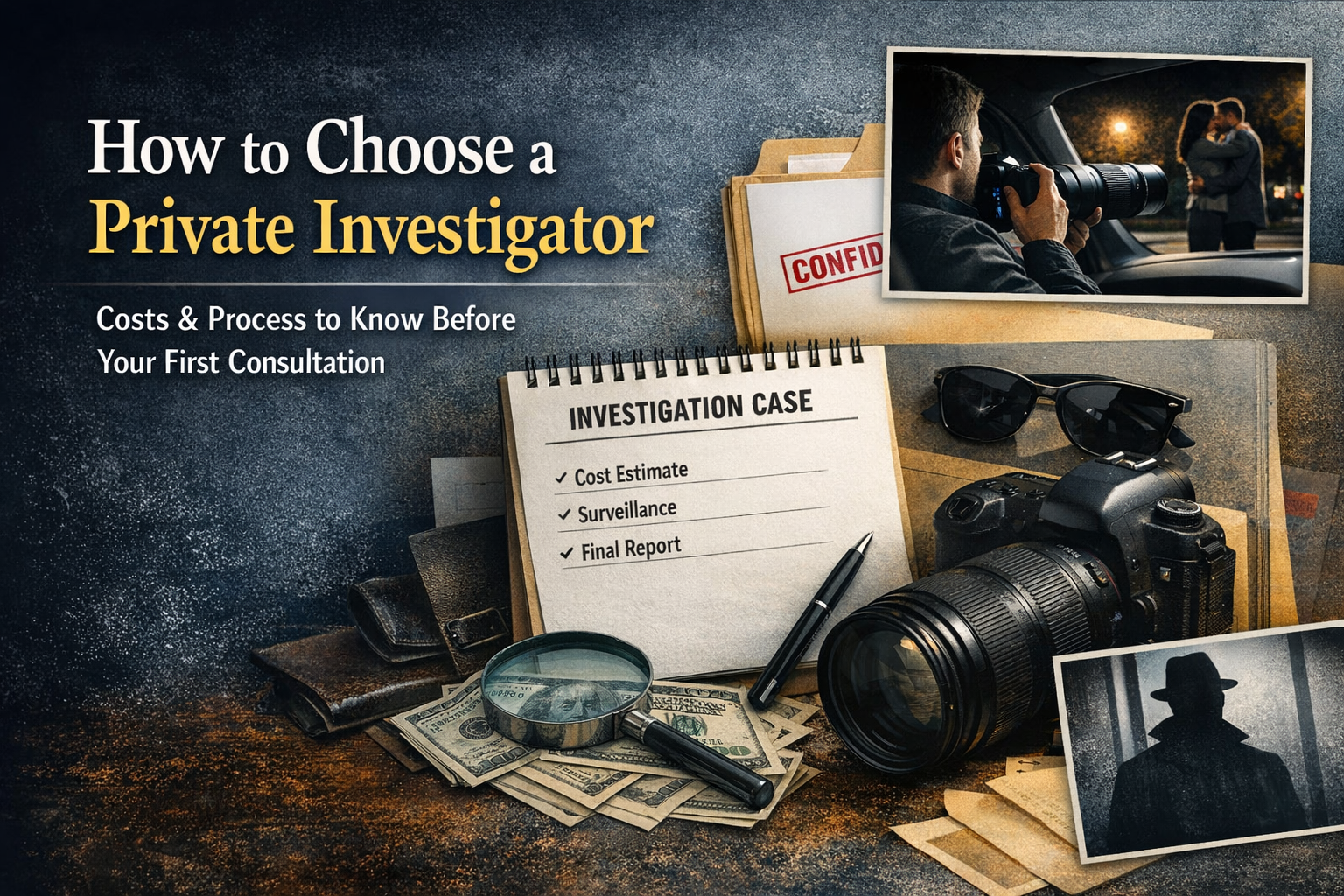
Hire a Detective or Investigation Agency
If you’ve noticed enough suspicious patterns, consider professional help. Many agencies offer “infidelity investigations,” gathering solid evidence and even identifying the lover. This proof aids negotiations, potential lawsuits, or decisions about divorce. It signals seriousness to your spouse and positions you favorably in any resolution.
By understanding why spouses cheat—whether husband or wife—you can better assess your situation and choose the best path forward. Seek professional advice if needed, and don’t carry the burden alone.